Water You Doing to Your Hair Color? A Detroit Hard Water Intervention

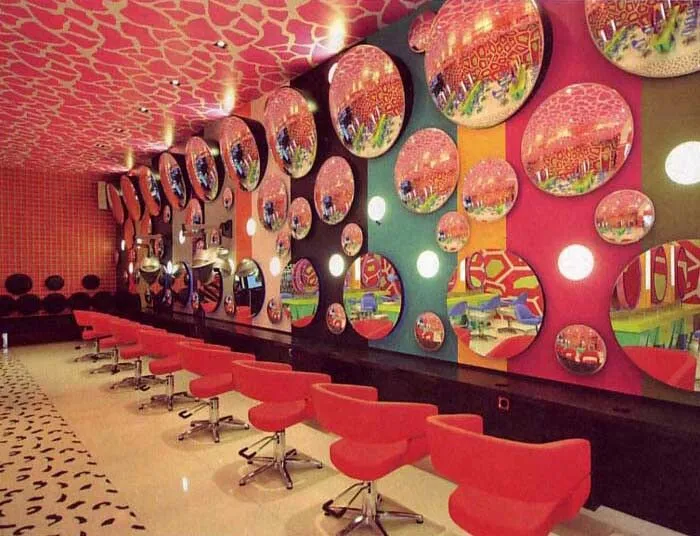
Photo: Pure80s, CC BY-SA 4.0, via Wikimedia Commons
You know that scene in a heist movie where the thief slips in unnoticed, takes the jewels, and leaves a fake in its place? That's Detroit tap water on your hair color. It doesn't kick the door down. It just quietly swaps your vibrant copper for something that looks like a rusty penny, or turns your cool blonde into a shade best described as 'public pool.'
At Curl Up & Dye Detroit, we've seen it all: clients who swear they haven't changed shampoos, but their color fades in two weeks flat. Nine times out of ten, the culprit isn't your stylist—it's the stuff coming out of your showerhead. So let's talk hard water, hard truths, and how to keep your color from going down the drain.
The Mineral Mystery: What's Actually in Your Tap Water
Hard water is water with a high concentration of dissolved minerals—mainly calcium and magnesium. Those minerals are great for your bones, less great for your hair. They cling to the hair shaft, building up a film that blocks moisture, dulls shine, and messes with the way color molecules sit inside the cuticle. Think of it as a microscopic layer of chalk dust on your strands. Not exactly the glossy finish you paid for.
When you color your hair, the cuticle lifts and deposits pigment. Hard water minerals can interfere with that process, and afterward they can accelerate fading by making the hair more porous. They also react with certain color molecules—especially cool tones—to create unwanted warmth. That's why your ash blonde goes brassy and your silver turns yellow. It's not a curse; it's chemistry.
Detroit's Specific Water Woes (Yes, It's a Thing)
Detroit's water comes from the Detroit River and Lake Huron via the Great Lakes Water Authority, and depending on where you live—from Ferndale to Dearborn to the east side—the mineral load can vary. Generally, southeast Michigan water is considered moderately hard to hard. That means if you're rinsing your color in the shower every day, you're essentially giving it a mineral bath. Not the spa kind. The kind that leaves spots on your glasses.
And it's not just the water itself. Old pipes, water softeners, and even the temperature you shower at can affect how minerals interact with your hair. Hot water opens the cuticle, which makes it easier for minerals to get in and harder for your color to stay put. So that scalding shower you love? It's basically an eviction notice for your dye job.
How Hard Water Wrecks Color (The Science, Minus the Snooze)
Here's the short version: minerals build up, cuticle gets rough, color fades faster, brassiness creeps in, and your hair feels like straw that's been through a Michigan winter. The longer version involves ion exchange and oxidation, but we'll spare you the chemistry lecture. Just know that hard water is the reason your expensive salon color looks like a DIY job after three washes.
It also messes with your styling products. That film of minerals can make conditioners less effective, leave-in treatments less absorbent, and heat protectants less protective. Basically, it's the villain in your hair's origin story.
Know Your Water: A Quick Checklist
Before you blame your stylist or your shampoo, get to know your water. Here's a fast checklist:
- Pull your annual water quality report. The City of Detroit and GLWA publish them; look for calcium and magnesium levels, often listed as hardness in mg/L or grains per gallon.
- Check your showerhead for white scale. If it's crusty, your water is leaving that same crust on your hair.
- Do a home test. Inexpensive test strips can give you a rough idea of hardness. No need to become a water sommelier.
- Notice the pattern. Does your color fade faster than your friend's who lives in a different ZIP code? That's a clue.
- Look for soap scum. If your shower doors cloud up quickly, your water is hard. Your hair is not immune.
Fight Back: Filters, Chelating, and Salon Savvy
You can't change Detroit's water supply, but you can change what comes out of your showerhead. Here's how to mount a counteroffensive:
Shower filters. A good filter can remove or neutralize minerals before they hit your hair. Look for one with a vitamin C cartridge or KDF media. Replace the cartridge on schedule—a clogged filter is just a fancy paperweight. Bonus: filtered water also makes your shampoo lather better, so you use less.
Chelating shampoo. This is not the same as clarifying shampoo. Clarifying removes product buildup; chelating removes minerals. Look for ingredients like EDTA, phytic acid, or sodium gluconate. Use it once a week or as needed, and follow with a moisturizing mask because chelating can be drying if you overdo it.
Salon chelating treatments. At Curl Up & Dye Detroit, we offer a mineral-removal add-on that's like a deep clean for your strands. Think of it as a bouncer for your hair: it grabs the minerals and escorts them out. Pair it with your color appointment for the best results.
Smart shower habits. Turn down the heat. Hot water opens the cuticle and invites minerals in. A final rinse with filtered or distilled water can make a difference, especially if you're serious about longevity. And don't forget to wash your showerhead—it's a mineral magnet.
Product picks. You don't need a laboratory, but you do need to read labels. Chelating shampoos, hard-water-specific treatments, and leave-in conditioners with chelating agents are your friends. Ask us for recommendations—we've tested plenty in our chairs.
The Bottom Line: Don't Let Water Win
Detroit's water is hard, but your color doesn't have to be. A few strategic moves—filter, chelate, adjust your shower routine—can add weeks to your color and keep brassiness at bay. And if you're not sure where to start, book a consultation with one of our stylists. We'll help you figure out if your shower is the enemy and build a plan to fight back.
Because here's the truth: you didn't pay for salon color just to let the tap water steal it. Water you waiting for? Let's protect that hue.